

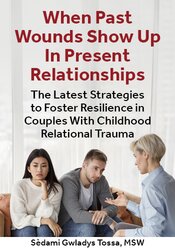
Digital Seminar
When Past Wounds Show Up in Present Relationship: The Latest Strategies to Foster Resilience in Couples With Childhood Relational Trauma
- Average Rating:
- 312
- Faculty:
- Sèdami Gwladys Tossa, MSW
- Duration:
- 1 Hour 1 Minute
- Format:
- Audio and Video
- Copyright:
-
Jun 13, 2024
- Product Code:
- POS059863
- Media Type:
- Digital Seminar

Description
Due of the prevalence of interpersonal trauma, couple therapists will be called upon to intervene with survivors. Whether it’s physical, psychological, sexual or parental neglect, Interpersonal trauma experienced in childhood can have deleterious effects on survivors’ marital relationships. Thus several couples, in spite of love shared, find themselves stuck in relational and conflictual impasses tinged with past traumas. How can therapists help them break this cycle without retraumatization?
Credit
Handouts
| File type | File name | Number of pages | |
|---|---|---|---|
| Manual - When Past Wounds Show Up - English (1.08 MB) | 25 Pages | Available after Purchase | |
| Manual - When Past Wounds Show Up - French (1.08 MB) | 25 Pages | Available after Purchase | |
| Manual - When Past Wounds Show Up - Italian (1.08 MB) | 25 Pages | Available after Purchase | |
| Manual - When Past Wounds Show Up - German (1.08 MB) | 25 Pages | Available after Purchase | |
| Manual - When Past Wounds Show Up - Spanish (1.08 MB) | 25 Pages | Available after Purchase |
Faculty
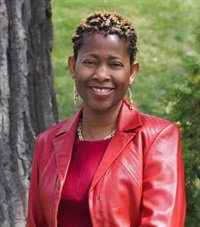
Sèdami Gwladys Tossa, MSW Related seminars and products
Sèdami Gwladys Tossa, MSW, received her training in Marriage and Family Therapy from McGill University and since 2007, has focused her work on addressing the specific challenges faced by couples who have a history of trauma or victimization. Sèdami currently sits as a member of the Developmental Couple Therapy for Complex Trauma Clinic at McGill University and has held numerous trainings and workshops on the subject.
Sèdami has a passion for diversity, equity, and inclusion, in particular on the unique experiences of bi-racial couples.
Speaker Disclosures:
Financial: Sedami Tossa maintains a private practice. She receives a speaking honorarium from PESI, Inc. She has no relevant financial relationships with ineligible organizations.
Non-financial: Sedami Tossa has no relevant non-financial relationships.
Additional Info
Access for Self-Study (Non-Interactive)Access never expires for this product.
Questions?
Visit our FAQ page at www.pesi.com/faq or contact us at www.pesi.com/info
Objectives
- Develop an in-depth understanding of the impacts of trauma on couple relationships.
- Identify the Signs of Interpersonal Trauma in the Interaction dyadic.
- Acquire effective strategies to provide compassionate support to Couples Facing Trauma-Related Marital Difficulties Interpersonal.
Outline
Understanding Childhood Interpersonal Trauma (Côté, 2016; Dye 2012; Godbout, 2013; Lussier et al, 2017; Taylor, 2018)- What is Interpersonal Trauma in Childhood
- Prevalence of Interpersonal Traum in Childhood
- The Two Categories of Interpersonal Trauma in Childhood
- Impact of Childhood Trauma on Adult Relationships
- Risk and Protective Factors
- Explanatory theories (Lussier et al, 2017)
- Signs and Symptoms of Unresolved Trauma in Couples
- Triggers and Responsiveness in the Context of Past Trauma
- Communication on Patterns Influenced by Childhood trauma
- Building security and trust in the therapeutic relationship
- Psychoeducation (impact of trauma; triggers and what is triggered; cycle vulnerability)
- Mindfulness: recognizing the wounded child within oneself and getting out of the “behavioural trap”
- Improve emotional regulation (grounding techniques to manage triggers; self-compassion exercises; window of tolerance; co-regulation)
- Cultivate empathy and understanding between partners
- Strengthen communication skills
Target Audience
- All those involved in a helping relationship



Reviews
| 5 |
|
| 4 |
|
| 3 |
|
| 2 |
|
| 1 |
|
Overall: 4.6
Total Reviews: 312
Satisfaction Guarantee
Your satisfaction is our goal and our guarantee. Concerns should be addressed to: PO Box 1000, Eau Claire, WI 54702-1000 or call 1-800-844-8260.
ADA Needs
We would be happy to accommodate your ADA needs; please call our Customer Service Department for more information at 1-800-844-8260.
Please wait ...