

Digital Seminar
Thriving in the Aftermath of Trauma: Restoring the Self Through Balance, Rhythm, and Regulation
- Average Rating:
- 14
- Faculty:
- Ruth Lanius, MD, PhD, FRCPC
- Duration:
- 3 Hours 58 Minutes
- Format:
- Audio and Video
- Copyright:
-
Mar 12, 2022
- Product Code:
- NOS096238
- Media Type:
- Digital Seminar

Description
Traumatized people often feel alienated from their bodily experience and suffer from profound symptoms of emotional numbness to both positive and negative emotions. Also, they can feel estranged from their external world and don’t know where their body is in space, leaving them feeling uncoordinated, unable to engage in purposeful action, and unable to be in connection with others. Pioneering work in trauma is now beginning to elucidate how these difficulties can be traced back to altered brain functioning. How can we combat such foundational difficulties in order to help people befriend their internal sensations and transform into embodied, active agents in this world, capable of connecting with others through curiosity, language, and play? In this workshop, you’ll discover:
- An integrative treatment approach—drawing from a range of modalities, including CBT, DBT, sensorimotor therapy, SMART, EMDR, and IFS—to help clients feel “whole” and experience fulfilling relationships with their self and others
- Bottom-up treatment approaches that target manipulation of sensory, vestibular, and motor experience to bring emotion regulation and connection online
- How understanding brain networks critical to the experience of the internal and external world can guide our clinical practice
Credit
Handouts
| File type | File name | Number of pages | |
|---|---|---|---|
| Attachment |
Manual Notice A manual is not available for this session. |
Faculty
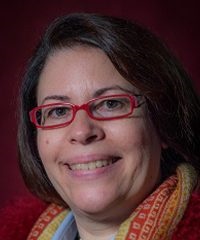
Ruth Lanius, MD, PhD, FRCPC Related seminars and products
Ruth Lanius, MD, PhD, FRCPC, Professor of Psychiatry, is the director of the posttraumatic stress disorder (PTSD) research unit at the University of Western Ontario. She established the Traumatic Stress Service and the Traumatic Stress Service Workplace Program, services that specialize in the treatment and research of Posttraumatic Stress Disorder (PTSD) and related comorbid disorders. She currently holds the Harris-Woodman Chair in Mind-Body Medicine at the Schulich School of Medicine & Dentistry at the University of Western Ontario.
Her research interests focus on studying the neurobiology of PTSD and treatment outcome research examining various pharmacological and psychotherapeutic methods. She has authored more than 100 published papers and chapters in the field of traumatic stress and is currently funded by several federal funding agencies. She regularly lectures on the topic of PTSD nationally and internationally She has recently published a book The Impact of Early Life Trauma on Health and Disease with Eric Vermetten and Clare Pain.
Speaker Disclosures:
Financial: Dr. Ruth Lanius has employment relationships with Western University of Canada, McMaster University, St. Joseph's Health Care, University of Western Ontario, Canadian Institute for Military and Veteran Health Research, Robarts Research Institute, and the Lawson Health Research Institute. She receives grants from MIND, the Trauma Research Foundation, and the Canadian Institute of Health Research. Dr. Lanius receives royalties as a published author. She receives a speaking honorarium, recording, and book royalties from PESI, Inc. She has no relevant financial relationships with ineligible organizations.
Non-financial: Dr. Ruth Lanius is a fellow with the American College of Neuropsychopharmacology, a member of the International Society for the Study of Dissociation, and the Ontario medical Association. She is a journal reviewer for several publications, to see a complete list contact PESI, Inc.
Additional Info
Access for Self-Study (Non-Interactive)Access never expires for this product.
For a more detailed outline that includes times or durations of time, if needed, please contact cepesi@pesi.com
Questions?
Visit our FAQ page at www.pesi.com/faq or contact us at www.pesi.com/info
Objectives
- Propose an integrative treatment approach drawing on several modalities, including CBT, DBT, sensorimotor therapy, SMART, EMDR, and IFS with the goal of achieving an embodied, agentive self that is capable of feeling ‘whole’ and experiencing fulfilling relationships both with oneself and others.
- Integrate somatic and non-treatment approaches that target manipulation of sensory, vestibular and motor experience to bring online emotion regulation and connection.
- Extrapolate how understanding brain networks critical to the experience of the internal and external world can guide our clinical practice.
- Analyze case examples illustrating the concepts discussed in this symposium.
Outline
- An integrative treatment approach—drawing from a range of modalities, including CBT, DBT, sensorimotor therapy, SMART, EMDR, and IFS—to help clients feel “whole” and experience fulfilling relationships with their self and others
- Bottom-up treatment approaches that target manipulation of sensory, vestibular and motor experience to bring emotion regulation and connection online
- How understanding brain networks critical to the experience of the internal and external world can guide our clinical practice
Target Audience
- Psychologists
- Physicians
- Addiction Counselors
- Counselors
- Social Workers
- Marriage & Family Therapists
- Art Therapists
- Nurses
- Other Behavioral Health Professionals
Reviews
| 5 |
|
| 4 |
|
| 3 |
|
| 2 |
|
| 1 |
|
Overall: 4.9
Total Reviews: 14
Satisfaction Guarantee
Your satisfaction is our goal and our guarantee. Concerns should be addressed to: PO Box 1000, Eau Claire, WI 54702-1000 or call 1-800-844-8260.
ADA Needs
We would be happy to accommodate your ADA needs; please call our Customer Service Department for more information at 1-800-844-8260.
Please wait ...