

Digital Seminar
The Fallout of Domestic Abuse on Kids: Clinical Strategies to Address Parental Coercive Control
- Average Rating:
- Not yet rated
- Faculty:
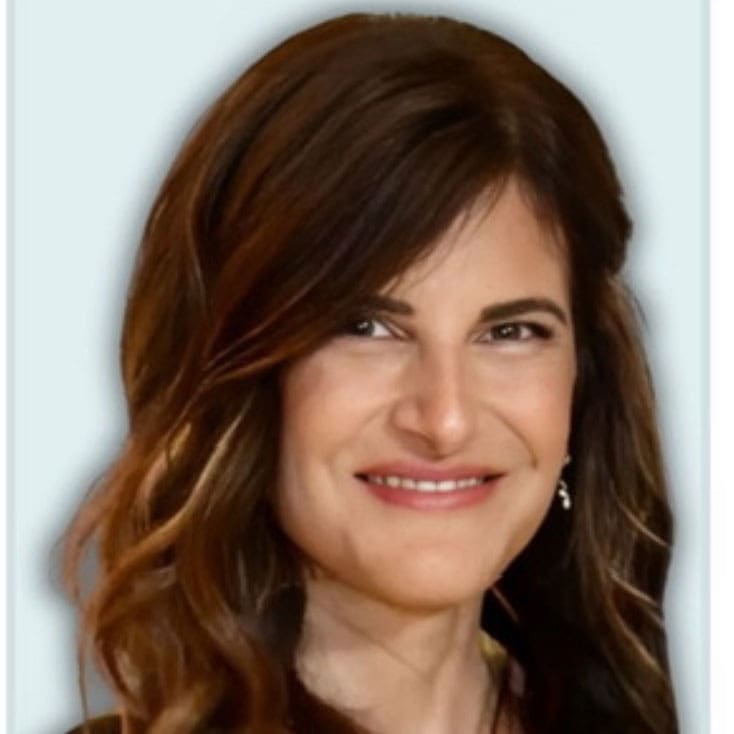
- Christine Cocchiola, DSW, LCSW
- Duration:
- 4 Hours 08 Minutes
- Copyright:
-
Mar 12, 2025
- Product Code:
- POS150060
- Media Type:
- Digital Seminar

Description
Kids shouldn’t have to live in fear of retaliation, feel torn by loyalty, or experience sabotage from a coercive parent …
… But when their parent weaponizes them to get what they want, their sense of safety and identity becomes fractured, leaving them conflicted, anxious, and emotionally isolated.
But therapy can be a lifeline.
You can provide a place of safety where kids can learn essential tools to manage their emotions, foster connections that empower and uplift, set healthy boundaries and assert their needs confidently, and develop sound decision-making skills in age-appropriate ways.
Best of all, the therapeutic relationship serves as a powerful buffer against the long-term effects of these abusive dynamics.
And with the right support, children don’t have to continue facing the cycle of abuse they grew up with.
Led by Christine Cocchiola, DSW, LCSW, a renowned expert in domestic and narcissistic abuse, this powerful training will equip you with a comprehensive framework for recognizing and addressing the needs of children caught in this incredibly dangerous abuse cycle. You’ll learn:
- Steps of coercive control within the family unit
- Steps therapists can take when kids are weaponized in parental relationships
- Top strategies to guide the non-coercive/safe parent in supporting their child’s healing
- Evidence-based interventions for addressing trauma related to coercive control
- Ethical and legal considerations related to working with children experiencing domestic abuse
Purchase today to gain the critical skills needed to address this life-altering form of generational trauma.
Credit
Handouts
| File type | File name | Number of pages | |
|---|---|---|---|
| Manual - The Fallout of Domestic Abuse on Kids (9.3 MB) | 71 Pages | Available after Purchase | |
| Manual - The Fallout of Domestic Abuse on Kids - French (9.3 MB) | 71 Pages | Available after Purchase | |
| Manual - The Fallout of Domestic Abuse on Kids - Italian (9.3 MB) | 71 Pages | Available after Purchase | |
| Manual - The Fallout of Domestic Abuse on Kids - German (9.3 MB) | 71 Pages | Available after Purchase | |
| Manual - The Fallout of Domestic Abuse on Kids - Spanish (9.3 MB) | 71 Pages | Available after Purchase |
Faculty
Christine Cocchiola, DSW, LCSW Related seminars and products
Christine Marie Cocchiola, DSW, LCSW, a college professor teaching social work for the last 20 years, has been a social justice advocate since the age of 19, volunteering for a local domestic violence/sexual assault agency. Her doctoral work focused on the experiences of adult and child victims of coercive control as a form of domestic violence. She understands the impact that coercive control has on adult and child victims and her expertise as a trauma trained therapist, a researcher, and a protective mother is focused on supporting these vulnerable populations.
Speaker Disclosures:
Financial: Dr. Christine Cocchiola maintains a private practice and serves as CEO & President of Coercive Control Counseling, Inc. She has employment relationships with the NYU Silver School of Social Work, the University of Connecticut (UCONN) School of Social Work,, and Naugatuck Valley Community College. She is the founding member of the International Coercive Control Conference and the creator of the Child Sexual Abuse Prevention Workshops. Dr. Cocchiola receives royalties as a published author and receives a speaking honorarium and recording royalties from PESI, Inc. She has no relevant financial relationships with ineligible organizations.
Non-Financial Disclosures: Dr. Cocchiola is a Founding Member of the International Coercive Control Conference and serves as a Board Member of the National Coalition Against Domestic Violence. She also serves as a journal peer reviewer
Additional Info
Access for Self-Study (Non-Interactive)Access never expires for this product.
For a more detailed outline that includes times or durations of time, if needed, please contact cepesi@pesi.com
Questions?
Visit our FAQ page at www.pesi.com/faq or contact us at www.pesi.com/info
Objectives
- Compare the experiences of adult and child victims of coercive control.
- Identify the characteristics of abusive parents and the strategies used to harm children.
- Identify the psychological harms experienced by children living in abusive circumstances.
- Determine coping skills utilized by child victims of coercive control.
- Evaluate appropriate interventions to assist protective parents in supporting child victims of coercive control.
Outline
Unpacking Coercive Control- The foundation of domestic abuse
- Abusers, victims, survivors
- Recognize the signs of kids trapped in coercive control
- The weaponization of children and teens
- The dangers of parent-child relationship repair therapy
- When kids are aligned with the abuser
- Help kids recognize and respond to the abuse:
- Validate emotional experiences
- Foster self-advocacy and self-efficacy
- Work with the supportive/protective parent to establish safe boundaries for themselves and their children
- Limitations of the research and potential risks
- The layers of trauma
- Unhealthy coping skills: hypervigilance, trauma responses, peace-keeping, internalizing and externalizing behaviors
- Interventions for children
- Narrative therapy
- Real-life heroes
- Attachment-based interventions
- Working with teens
- Radical acceptance
- Establish healthy boundaries
- Support critical thinking
- Develop agency
- Strategies to strengthen the bond with the protective parent
- When abusers threaten the therapy process
- Ethical and legal considerations
Target Audience
- Counselors
- Social Workers
- Psychologists
- Psychotherapists
- Therapists
- Marriage & Family Therapists
- Addiction Counselors
- Case Managers
- Other Mental Health Professionals



Reviews
Satisfaction Guarantee
Your satisfaction is our goal and our guarantee. Concerns should be addressed to: PO Box 1000, Eau Claire, WI 54702-1000 or call 1-800-844-8260.
ADA Needs
We would be happy to accommodate your ADA needs; please call our Customer Service Department for more information at 1-800-844-8260.
Please wait ...