


Digital Seminar
Picky Eaters vs Problem Feeders vs Avoidant/Restrictive Food Intake Disorder (ARFID)
- Average Rating:
- 15
- Faculty:
- Kay A. Toomey, PhD
- Duration:
- 6 Hours 30 Minutes
- Copyright:
-
Jun 08, 2021
- Product Code:
- POS063505
- Media Type:
- Digital Seminar - Also available: DVD

Description
Pediatric feeding disorders make it difficult or impossible for a child to eat, drink, or digest food normally, often compromising their health and development.
The limited intake seen in these children reflects concern such as:
- Food aversions
- Lack of interest in eating or food
- Avoidance based on sensory characteristics of food
- Fear of choking or other adverse consequences
- Serious medical and psychological complications consist of
- Severe malnutrition
- Growth failure
- Marked interference with psychosocial functioning
Watch feeding expert, Dr. Kay Toomey, who has over 30 years of clinical experience assessing and treating children with a wide range of feeding challenges. She will show you clear guidelines to utilize the appropriate therapy approach.
Learn practical therapeutic interventions to use with children from each diagnostic group and ways to improve family meal routines and increase children’s intake of more nutritious foods
- Identify physical, motor, sensory, oral-motor, environmental, nutritional and behavior factors necessary to consider, to properly assess feeding problems.
- Delineate differential criteria for determining a child’s diagnosis as a typical eater, picky eater, problem feeder or a child with ARFID.
- Learn when to refer to a specialist for additional treatment.
Change the lives of the children you work with…purchase this recording today!
Credit
Handouts
| File type | File name | Number of pages | |
|---|---|---|---|
| Manual - Picky Eaters vs Problem Feeders vs Avoidant/Restrictive Food Intake Disorder (ARFID) (2.1 MB) | 108 Pages | Available after Purchase | |
| Illinois Educators Self-Study Instructions (15.4 KB) | Available after Purchase | ||
| Illinois Educators Evaluation Form (1.2 MB) | Available after Purchase |
Faculty
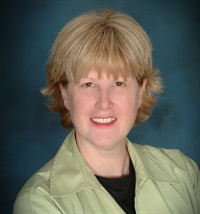
Kay A. Toomey, PhD Related seminars and products
Toomey & Associates, Inc.
Dr. Kay A. Toomey is a pediatric psychologist who has worked with picky eaters and problem feeders for over 35 years. She has developed the SOS Approach to Feeding as a family-centered program for assessing and treating children with feeding problems. Dr. Toomey helped to form The Children’s Hospital – Denver’s Pediatric Oral Feeding Clinic, as well as the Rose Medical Center’s Pediatric Feeding Center.
Speaker Disclosures:
Financial: Kay Toomey is the President of Toomey & Associates and a researcher with the Sensory Processing Disorders Foundation. She receives a speaking honorarium, recording, and book royalties from PESI, Inc. She has no relevant financial relationships with ineligible organizations.
Non-financial: Kay Toomey has a professional relationship with Feeding Matters and The Feeding Trust.
Additional Info
Access for Self-Study (Non-Interactive)Access never expires for this product.
Objectives
- Determine physical, motor, sensory, oral-motor, environmental, nutritional and behavior factors necessary to consider, to properly assess feeding problems.
- Distinguish differential criteria for determining a child’s diagnosis as a typical eater, picky eater, problem feeder or a child with ARFID.
- Evaluate the diagnosis of ARFID to discover sensory sensitivity, fear of aversive consequences and/or apparent lack of interest in eating or food.
- Utilize practical treatment strategies to advance children’s feeding skills, improve family meal routines and increase children’s intake of more nutritious foods.
- Conduct more thorough and accurate diagnoses, to implement the right treatment approaches for the distinct types of feeding/eating problems.
- Discriminate when a child needs additional evaluation and intervention by specialists for more intense treatment.
Outline
Prevalence of the Problem- Picky eating
- Problem feeding
- ARFID
- 7 areas of human function
- How children learn to eat (or not)
- Medical/organs
- Oral-motor skills
- Sensory-motor skills
- Postural and motor skills
- Nutrition
- Learning/cognition
- Environment
- Picky eating
- Able to tolerate new foods on plate
- Decreased range or variety of foods that will eat
- Frequently eats a different set of foods than the rest of the family
- Problem feeding
- Restricted range or variety of foods
- Refuses entire categories of food textures
- Cries and “falls apart” when presented with new foods
- ARFID
- Accept a limited diet in relation to sensory features
- Food refusal is related to aversive or fear-based experiences
- Extreme pickiness; distractible and forgetful
- Systematic desensitization
- Flooding/escape extinction
- Eating disorders
- Picky eating –
- Case 1 = 2 ½ year old male with limited number of accepted foods he will eat, variable eating from one day to the next, issues staying at the table
- Case 2 = 2 ½ year old female with restricted food range, over reliance on liquids for calories and swallowing assistance
- Case 3 = 9 year, 8 month old male with lack of healthy proteins per parents, and no vegetables in his food range
- Problem feeding –
- Case 1 = 3 year, 10 month old female with a G-tube, born at 26 weeks gestation, complicated medical history
- Case 2 = 4.25 year old female born with congenital Rubella, poor weight gain, restricted food range, episodes of gagging and coughing, episodes of refusing to eat
- ARFID –
- Case 1 = 15 year old male with chronic “chok-y” sensation, significant weight loss, hospitalized in an Eating Disorders program
- Case 2 = 13 year old male with difficulties eating food at school, restricted food range per parental report, refusal to eat vegetables
- Routines and environmental supports
- Matching foods to a child’s skillset
- Reinforcement
- Management of maladaptive behaviors
- Red Flags
- Picky Eater vs Problem Feeder criteria
Target Audience
- Psychologists working with Feeding Disorders, Eating Disorders and/or ARFID
- Other mental health providers working with Feeding Disorders, Eating Disorders and/or ARFID (e.g. social workers, counselors)
- Pediatric Occupational Therapists
- Pediatric Speech Pathologists
- Pediatric Feeding Specialists
- Physicians and/or Psychiatrists working with Feeding Disorders, Eating Disorders and/or ARFID
- Registered Dietitians working with Feeding Disorders, Eating Disorders and/or ARFID
- Day care providers
- Teachers/Educators
- Nurses



Reviews
| 5 |
|
| 4 |
|
| 3 |
|
| 2 |
|
| 1 |
|
Overall: 4.8
Total Reviews: 15
Satisfaction Guarantee
Your satisfaction is our goal and our guarantee. Concerns should be addressed to: PO Box 1000, Eau Claire, WI 54702-1000 or call 1-800-844-8260.
ADA Needs
We would be happy to accommodate your ADA needs; please call our Customer Service Department for more information at 1-800-844-8260.
Please wait ...