

Digital Version Available
Get immediate lifetime access to this content by purchasing the digital seminar/online course instead that you can access using a variety of devices, and one CE certificate is included with purchase! Click the “Digital Seminar” or "Online Course" link below to learn more!
DVD Purchasers please note: In order to view the content, you will be required to have a DVD player or a DVD drive on your computer. Your CE is a separate fee.
DVD
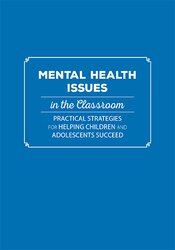
Mental Health Issues in the Classroom: Practical Strategies for Helping Children and Adolescents Succeed
- Average Rating:
- 6
- Faculty:
- Jay Berk, PhD
- Duration:
- 6 Hours 33 Minutes
- Copyright:
-
Nov 03, 2021
- Publisher:
- PESI Inc.
- Product Code:
- RNV063030
- Media Type:
- DVD - Also available: Digital Seminar

Description
Watch child/adolescent behavior expert, Jay Berk, PhD, and learn how to best manage the students at your school diagnosed with Oppositional Defiant Disorder (ODD), Attention Deficit Hyperactivity Disorder (ADHD), Autism Spectrum Disorder (ASD), mood disorders, anxiety and depression. You will walk away with concrete, yet practical, strategies to successfully intervene with their serious behavioral issues, such as:
- Anger and outbursts
- Cutting and self-injury
- Defiance
- Impulsivity
- Sensory issues
- Meltdowns and tantrums
- Obsessive compulsive
- Truancy
- Rigidity
- Electronic addiction
Through case studies, video clips and dynamic class discussion you will learn:
- Pandemic recovery interventions for successful re-entry
- 30 second teacher strategies to manage challenging and disruptive behaviors
- New ways to reduce the costs of out-of-district placements
- How to engage students in class, increase productivity and reduce truancy
- Behavioral assessments and strategies for the IEP team
- Side-effects of common psychotropic medications
- How skill deficits from mental health conditions create behavioral difficulties
- Characteristics of at-risk students’ mental health problems
- Strategies to gain collaboration with clinicians
Leave the day with the “magic dust” you have been looking for to expedite rapid and effective changes in these children and adolescents!
Credit
Handouts
| File type | File name | Number of pages | |
|---|---|---|---|
| Manual - Mental Health Issues in the Classroom (2.1 MB) | 37 Pages | Available after Purchase | |
| CE Test - 063030 - Paper Option (96 KB) | 11 Pages | Available after Purchase | |
| Illinois Educators Self-Study Instructions (15.4 KB) | Available after Purchase | ||
| Illinois Educators Evaluation Form (1.2 MB) | Available after Purchase |
Faculty
Jay Berk, PhD Related seminars and products
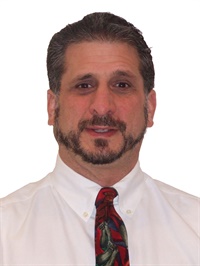
Jay Berk, PhD, is a licensed clinical psychologist and an internationally recognized expert in the child/adolescent behavioral field who brings both a clinical and education perspective to his work with children, adolescents and their families. For over 25 years, Dr. Berk has been treating clients with ODD, ADHD, autism, anxiety and stress, depression, learning disabilities, Tourette’s Syndrome and individuals who have multiple impairments. He conducts 15 social skills/mental health groups for children and adolescents and works daily with school and community professionals, families and parents. Dr. Berk continually consults for several school districts. In his private practice, in Beachwood, Ohio, he provides therapy for children, adolescents, families, testing and evaluation, school consultation as well as an alternative educational program.
Dr. Berk presents nationally on the topics of autism, disruptive behavior disorders, mental health issues in the classroom, ODD and social skills competency. In his workshops, he teaches professionals who work with children and adolescents, practical treatment and intervention strategies. He has been invited to present at hundreds of schools and conferences including being a repeated consultant to the Department of Education in Hawaii. As a past consultant to the United Nations, Dr. Berk authored a manual for UNICEF that was used by teachers working with children throughout Bosnia during the war. He has also worked in London, England with defiant teenagers; Kristiansand, Norway with traumatized youth; and the American Red Cross with trauma response.
Speaker Disclosures:
Financial: Dr. Jay Berk maintains a private practice, is the owner of Social Skills 360, and the director of REBOOT. He receives compensation as an international speaker and consultant. Dr. Berk receives royalties as a published author. He receives a speaking honorarium, recording, and book royalties from PESI, Inc. He has no relevant financial relationships with ineligible organizations.
Non-financial: Dr. Jay Berk has no relevant non-financial relationships.
Additional Info
Access for Self-Study (Non-Interactive)Access never expires for this product.
For a more detailed outline that includes times or durations of time, if needed, please contact cepesi@pesi.com
Questions?
Visit our FAQ page at www.pesi.com/faq or contact us at www.pesi.com/info
Objectives
- Articulate how behavioral-driven choices differ from mental health-driven behaviors and characterize how these differences inform your choice of intervention.
- Communicate the effective uses of medications and potential side effects that can appear as misbehaviors.
- Implement various school-based strategies, used in collaboration with community clinicians, to intervene when behavioral issues arise from mental health conditions.
- Determine effective positive behavior support strategies to successfully discipline the special needs child.
- Discriminate how IDEA relates to mental health issues and discipline.
- Apply communication techniques that create a climate for success inside and outside the classroom.
Outline
Students with Mental Health Issues- Characteristics of at-risk students’ mental health problems
- Mental health issues vs. intentionally disruptive behaviors
- How skill deficits from mental health issues create behavioral difficulties
- Choices everyone can live with
- What adults should never say, but usually do
- Arguments with defiant kids
- Getting to the core issues of ODD
- Kids who don’t feel bad
- School-wide management program
- Decrease impulsive behaviors with what YOU do
- Drawing out the behaviors you want
- Decrease disruption to other students
- Know the accompanying behaviors
- Techniques to self-regulate
- It’s all about social skills growth
- Sensory solutions
- Self-regulation techniques for ASD
- Most misinterpreted behaviors
- Manage high interest areas
- Move them past “kid cop” behaviors
- What to do about separation anxiety
- Help their panic attack pass quickly
- School phobia … not always a fear of school
- Compromises that work
- Deep breathing and relaxation techniques
- School-wide program to promote compassions and a supportive culture
- Getting them past their sense of helplessness
- When they think they have nothing to live for
- Goal oriented plans for schoolwork and school day
- Cutting and self-injury: What you really need to know to effectively intervene
- Electronic addiction: Which kids are most susceptible and why
- Psychotropic medication side-effects vs. behavioral issues
- Electronic bullying: What adults tell kids that fuels the problem
- Re-entering successfully
- Social issues ... lost skills
- Dealing with electronics/gaming issues
- How IDEA relates to discipline
- Rules for disciplining special education students
- Techniques for positive behavior support
- ”Pro-social” punishments
- Facts and data to make tactical decisions
- What most administrators do that burn out their staff
- What to do about non cooperative/reluctant parents
Target Audience
- Speech-Language Pathologists
- Speech-Language Pathology Assistants
- Teachers & Paraprofessionals
- School Counselors
- School Psychologists
- School Administrators
- School Social Workers
- Marriage & Family Therapists
- Nurses
- Occupational Therapists
- Occupational Therapy Assistants
- Addiction Professionals
- Probation Officers
- All professionals working in child care settings, therapy settings, treatment programs, hospitals, juvenile justice facilities, foster care, and more.
Reviews
| 5 |
|
| 4 |
|
| 3 |
|
| 2 |
|
| 1 |
|
Overall: 5
Total Reviews: 6
Satisfaction Guarantee
Your satisfaction is our goal and our guarantee. Concerns should be addressed to: PO Box 1000, Eau Claire, WI 54702-1000 or call 1-800-844-8260.
ADA Needs
We would be happy to accommodate your ADA needs; please call our Customer Service Department for more information at 1-800-844-8260.
Please wait ...