

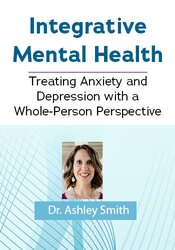
Digital Seminar
Integrative Mental Health: Treating Anxiety and Depression with a Whole-Person Perspective
- Average Rating:
- Not yet rated
- Faculty:
- Ashley Smith, PhD
- Duration:
- 3 Hours
- Copyright:
-
Aug 05, 2025
- Product Code:
- POS150256
- Media Type:
- Digital Seminar

Description
As a therapist, you’ve likely seen the frustration and exhaustion in your clients’ eyes – the weight of anxiety that never fully lifts, the heaviness of depression that keeps pulling them back.
You’ve guided them through traditional interventions, but for some, progress is slow, inconsistent, or even stagnant. The reality is that anxiety and depression are complex, deeply personal experiences that don’t fit neatly into one-size-fits-all treatment models.
When clients don’t respond to standard approaches, it can leave both therapist and client feeling defeated.
Join Dr. Ashley Smith, author of The Way I See It: A Psychologist’s Guide to a Happier Life, to stop merely managing symptoms and begin to address the full spectrum of factors contributing to anxiety and depression - biological, psychological, social, existential, and lifestyle-based.
This 3-hour course will give you everything you need to get started on your path to providing truly holistic care. You’ll learn:
- A whole-person assessment approach to identify and select intervention targets
- A ready-to-use framework for holistic care to guide your treatment plans
- Values-based goal-setting strategies to target lifestyle changes, including diet, exercise, sleep, and spirituality, that matter most to your client
- Ethical guidelines for staying in your zone of competence
- Current research on the role of supplements, psychedelics, and medications and indications for use of each
Through case studies, hands-on exercises, and an ethical lens on whole-person care, you will learn how to craft individualized, dynamic treatment plans that empower your clients to heal – not just cope.
Join us to explore a new way forward - one that treats the whole person, not just the diagnosis.
Credit
Handouts
| File type | File name | Number of pages | |
|---|---|---|---|
| Manual - Integrative Mental Health (1.9 MB) | 38 Pages | Available after Purchase | |
| Manual - Integrative Mental Health - French (1.9 MB) | 38 Pages | Available after Purchase | |
| Manual - Integrative Mental Health - Italian (1.9 MB) | 38 Pages | Available after Purchase | |
| Manual - Integrative Mental Health - German (1.9 MB) | 38 Pages | Available after Purchase | |
| Manual - Integrative Mental Health - Spanish (1.9 MB) | 38 Pages | Available after Purchase |
Faculty
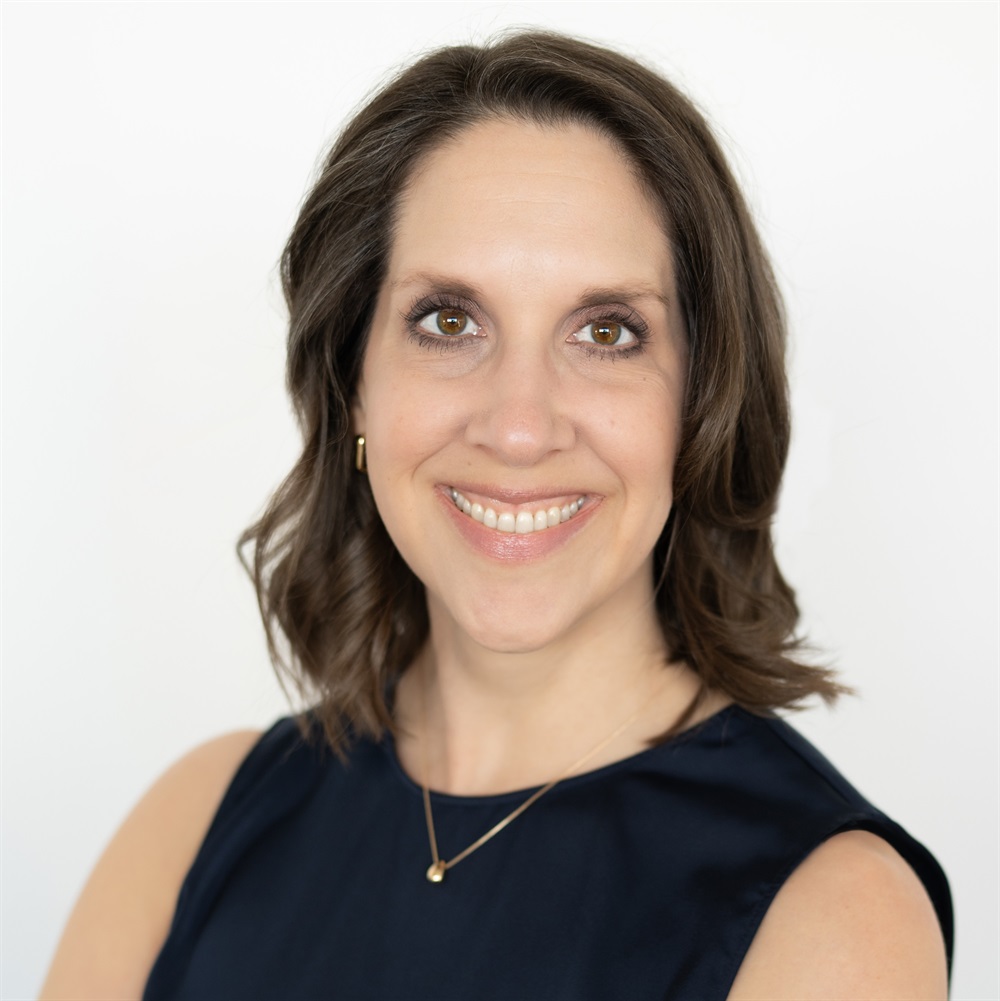
Ashley Smith, PhD Related seminars and products
Dr. Ashley Smith is a licensed clinical psychologist and recognized expert in anxiety and related disorders. She has worked in children’s hospitals, an anxiety specialty clinic, and private practice, providing evidence-based treatment for anxiety and OCD.
An adjunct faculty member at Kansas City University, Dr. Ashley has extensive experience training and supervising mental health professionals. She has authored peer-reviewed articles, book chapters, and two books, including Childhood Anxiety Disorders. A long-time member of the Anxiety and Depression Association of America, she was honored with their Special Recognition Award in 2023.
She regularly presents workshops and trainings at local and national levels, focusing on the practical application of cognitive behavioral therapy, positive psychology, and applied neuroscience to improve clinical outcomes. She is also the co-founder of Peak Mind. The Center for Psychological Strength, an organization dedicated to making psychological tools more widely accessible.
Speaker Disclosures:
Financial: Ashley Smith is the co-founder of Peak Mind, has an employment relationship with Kansas City University, and maintains a private practice. She receives royalties as a published author. Ashley Smith receives a speaking honorarium and recording royalties from PESI, Inc. She has no relevant financial relationships with ineligible organizations.
Non-financial: Ashley Smith is a member of the Anxiety Disorders Association of America and sits on the board of directors for Disabled But Not Really.
Additional Info
Access for Self-Study (Non-Interactive)Access never expires for this product.
For a more detailed outline that includes times or durations of time, if needed, please contact cepesi@pesi.com
Questions?
Visit our FAQ page at www.pesi.com/faq or contact us at www.pesi.com/info
Objectives
- Define biological, psychological, social, existential, and lifestyle factors that contribute to anxiety and depression.
- Identify key assessment tools and strategies to address client concerns across the five domains or holistic mental health care.
- Determine ethical considerations and best practices for integrating lifestyle-based, biological, and interdisciplinary interventions into clinical practice.
Outline
The Case for Whole Person Care- The many forms of anxiety and depression
- The five pillars of holistic care:
- Biological
- Psychological
- Social
- Existential
- Lifestyle
- Competence, collaboration, and coordination of care
- Traditional treatments: The state of the research
- The latest evidence supporting holistic intervention
- Limitations of the research and potential risks
- Assess the five domains through:
- Clinical interview
- Self-report measures
- Wellness and values measures
- Bio/behavioral data and technology
- Experiential activity: Case conceptualization
Lifestyle Interventions
- Need-to-know information for clinicians
- Beyond sleep hygiene
- Foods that impact moods
- Movement and the mind
- Make changes that last
- Habit stacking
- Values-based goal setting
- Latest research on psychotropic medications
- Top 5 supplements to support the nervous system
- Psychedelics: Current research and guidelines
- 3 mindfulness strategies to use anywhere
- Mind/body techniques to mitigate stress
- Psychoeducation: Positive psychology vs toxic positivity
- The science of happiness: Take-aways to implement immediately
- Experiential activity: Non-medication mindfulness techniques
- Interpersonal strategies to support healthy relationships
- THINK, FAST, and GIVE: DBT skills for interpersonal effectiveness
- Healthy boundaries with people, social media, and technology
- Creative interventions to support finding meaning
- Worldview mapping
- Align choices with values and beliefs
- Apply the framework to intervention
- Where to begin: Collaborative prioritization
- Experiential Activity: Treatment Planning
- Zone of competence: Ethical considerations
- When to refer and to whom
- Coordination of care and collaborative decision-making
Target Audience
- Counselors
- Psychologists
- Social Workers
- Marriage and Family Therapists
- Addictions Counselors
- Nurses
- Physicians
- Dieticians



Reviews
Satisfaction Guarantee
Your satisfaction is our goal and our guarantee. Concerns should be addressed to: PO Box 1000, Eau Claire, WI 54702-1000 or call 1-800-844-8260.
ADA Needs
We would be happy to accommodate your ADA needs; please call our Customer Service Department for more information at 1-800-844-8260.
Please wait ...