

Digital Seminar
Incorporating IFS Therapy with the Treatment of Addiction
Biology, Healing & Habits
- Average Rating:
- Not yet rated
- Faculty:
- Frank Anderson, MD
- Duration:
- 1 Hour 30 Minutes
- Copyright:
-
Aug 09, 2024
- Product Code:
- POS059983
- Media Type:
- Digital Seminar
Description
Beneath addiction and traumatic stress lies important neurobiological processes that are altered. We will discuss, through the lens of Internal Family Systems Therapy and neurobiology, how to address behaviors and biological conditions commonly associated with many addictive behaviors and to help clients ultimately heal from the wounds beneath their addictions.
This product is not endorsed by, sponsored by, or affiliated with the IFS Institute and does not qualify for IFS Institute credits or certification.
Credit
Handouts
| File type | File name | Number of pages | |
|---|---|---|---|
| Manual - Incorporating IFS Therapy with the Treatment of Addiction (1.9 MB) | 21 Pages | Available after Purchase |
Faculty
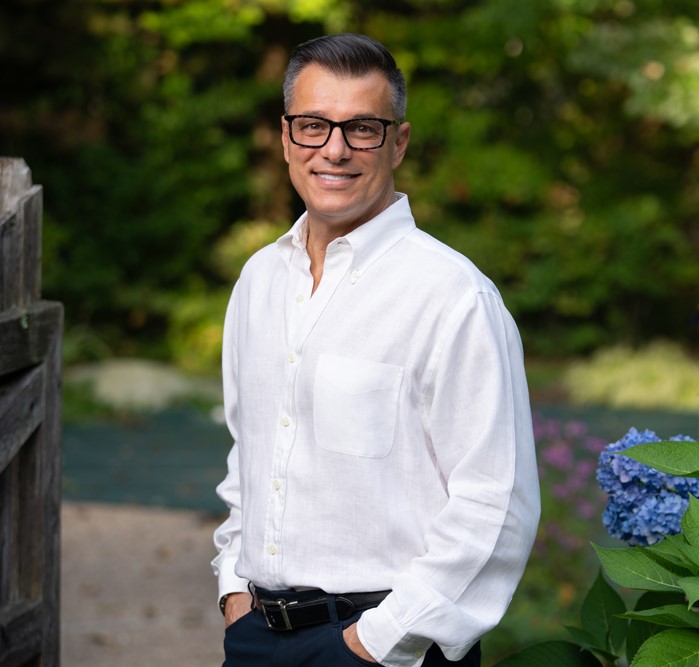
Frank Anderson, MD Related seminars and products
Frank Anderson, MD, completed his residency and was a clinical instructor in psychiatry at Harvard Medical School. He is both a psychiatrist and psychotherapist. He specializes in the treatment of trauma and dissociation and is passionate about teaching brain-based psychotherapy and integrating current neuroscience knowledge with the IFS model of therapy.
Dr. Anderson has lectured extensively on the Neurobiology of PTSD and Dissociation and wrote the chapter “Who’s Taking What” Connecting Neuroscience, Psychopharmacology and Internal Family Systems for Trauma in Internal Family Systems Therapy – New Dimensions. He co-authored a chapter on What IFS Brings to Trauma Treatment in Innovations and Elaborations in Internal Family Systems Therapy, and recently co-authored Internal Family Systems Skills Training Manual.
His most recent book, entitled Transcending Trauma: Healing Complex PTSD with Internal Family Systems was released on May 19, 2021.
His memoir, To Be Loved, was released on May 7, 2024.
Speaker Disclosures:
Financial: Dr. Frank Anderson maintains a private practice, is the co-founder of the Trauma Institute, and is the co-founding producer of Trauma Informed Media. He receives royalties as a published author. He receives a speaking honorarium, recording, and book royalties from PESI, Inc. He has no relevant financial relationships with ineligible organizations.
Non-financial: Dr. Frank Anderson is a member of the New England Society Studying Trauma and Dissociation and the International Society for the Study of Trauma and Dissociation.
Additional Info
Questions?Visit our FAQ page at www.pesi.com/faq or contact us at www.pesi.com/info
Access for Self-Study (Non-Interactive)
Access never expires for this product.
For a more detailed outline that includes times or durations of time, if needed, please contact cepesi@pesi.com.
Please Note
This product is not endorsed by, sponsored by, or affiliated with the IFS Institute and does not qualify for IFS Institute credits or certification.
Objectives
- Compare the types of behavioral and substance-based addictions and the addictive cycle.
- Identify the neurobiological correlates that are altered in traumatic stress and addictions.
- Evaluate the impact of trauma and addictions on a person’s sense of self.
- Determine three primary targets of psychotherapy for addictions based on neurobiological research.
Outline
Common types and patterns of addiction
- The important neurobiology behind the addictive process and how it guides therapy
- What many addiction treatments miss: working with the client’s sense of self
- Addressing “double trauma”
- Current research into psychedelics and addictions
- How addictions are healed through the lens of neurobiology
- Risks and limitations
Target Audience
- Addiction Professionals
- Psychologists
- Social Workers
- Licensed Clinical/Mental Health Counselors
- Marriage and Family Therapists
- Case Managers
- Physicians
Reviews
Satisfaction Guarantee
Your satisfaction is our goal and our guarantee. Concerns should be addressed to: PO Box 1000, Eau Claire, WI 54702-1000 or call 1-800-844-8260.
ADA Needs
We would be happy to accommodate your ADA needs; please call our Customer Service Department for more information at 1-800-844-8260.
Please wait ...