

This program is not active.
Digital Seminar
Purchase Additional Participant CE »
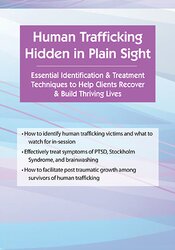
Human Trafficking Hidden in Plain Sight: Essential Identification & Treatment Techniques to Help Clients Recover & Build Thriving Lives
- Average Rating:
- 20
- Faculty:
- Shari Kim, PhD, CCDC
- Duration:
- 5 Hours 53 Minutes
- Format:
- Audio and Video
- Copyright:
-
Sep 27, 2019
- Product Code:
- POS053845
- Media Type:
- Digital Seminar
Description
Will you be ready to serve a survivor of modern-day slavery when he or she enters your therapy office?
Human trafficking is the second-largest industry for organized crime in the world. It often happens locally, with people being trafficked by people they know from their own neighborhoods.
Far from just sex trafficking, human trafficking also involves labor trafficking, child soldiers, and organ donation.
This issue is much more common than you think, and you need to be prepared to work with this unique population in your clinical practice. You may even have a client on your case load now that needs this special specialized treatment.
Understanding trauma helps, but it is not enough to provide sufficient and effective care for the struggles these survivors have endured. Trafficking survivors have a unique set of needs that differs from other cases of trauma entering your therapy office.
Complex trauma is overlaid with brainwashing and Stockholm Syndrome, providing an extremely complicated set of needs in this population. Great harm can be done both to the safety and to the mental health of this population if we fail to identify and treat their special needs.
This recording will give you the tools you need to safely and skillfully guide these survivors through the process of transformation from being someone’s product to feeling like a person again.
Credit
Handouts
| File type | File name | Number of pages | |
|---|---|---|---|
| Manual - Human Trafficking (3.82 MB) | 172 Pages | Available after Purchase |
Faculty
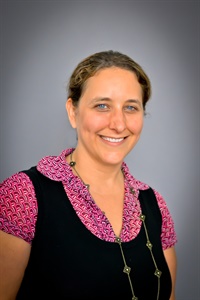
Shari Kim, PhD, CCDC Related seminars and products
Chase Brexton Health Care
Shari Kim, PhD, CCDC, serves as a trauma psychologist with Chase Brexton Health Care, a Federally Qualified Health Center specializing in serving the LGBTQ+ population in Baltimore. She is the founder of Susquehanna Valley Community Mental Health Services, a nonprofit mental health clinic that specializes in treatment of survivors of human trafficking, complex trauma, and sexual exploitation.
Dr. Kim has been very active in anti-trafficking efforts in both Pennsylvania and Maryland, forming community partnerships to collaborate on providing for the complex needs of trafficking survivors and serving on multiple local task forces. She continues to serve on anti-trafficking task forces in Maryland. She also served as chair of the human trafficking subcommittee for the Pennsylvania Psychological Association and the behavioral health workgroup for the York County Human Trafficking Task Force.
A 20-year veteran of the mental health field, Dr. Kim also serves as the chapter coordinator for disaster mental health services with the American Red Cross National Capital Chapter and has deployed to three large-scale disasters. She served as chair of the disaster response network within the Pennsylvania Psychological Association (PPA), helping to facilitate a partnership between PPA and the American Red Cross to increase the number of disaster mental health responders in Pennsylvania.
Financial: Dr. Shari Kim has employment relationships with Chase Brexton Health Care and Trauma Specialists Training Institute. She receives a speaking honorarium and recording royalties from PESI, Inc. She has no relevant financial relationships with ineligible organizations.
Non-financial: Dr. Shari Kim has no relevant non-financial relationships.
Additional Info
Access for Self-Study (Non-Interactive)Access never expires for this product.
Objectives
- Assess for clinical-signs that a client has been trafficked and determine a proper treatment plan.
- Identify evidence-based treatments for addressing trauma in trafficked clients.
- Differentiate among the various types of trafficking, including: sex trafficking, labor trafficking, child soldiers and organ donation to better inform clinical assessment and treatment interventions.
- Utilize a strength-based treatment approach for clinical issues such as PTSD and Stockholm Syndrome.
- Facilitate post traumatic growth among survivors of human trafficking.
- Identify the potential clinical impacts of federal laws specific to human trafficking.
Outline
Human Trafficking: What You Need to Know- Legal and clinical definition
- Types of trafficking
- Labor trafficking
- Sex trafficking
- Child soldiers
- Organ donation
- Where people are trafficked
- Risk factors for trafficking victimization
- Federal and local trafficking protections
- Why it’s so difficult to investigate and prosecute trafficking cases
- The unique protection needs of trafficking survivors
- Case examples
- How to identify and what to watch for in-session
- Identify risk in the clinical interview
- Trafficking screening and assessment tools
- How to respond if you suspect trafficking
- Psychological underpinnings of entry to trafficking
- Why victims stay (and why they return)
- Psychological processes of luring in victims
- Evidence-based treatment for traumatic stress (e.g. Prolonged Exposure, EMDR)
- Strengths-based treatment approaches
- The essential components of traumainformed care
- Treatment matching for different types of trafficking
- Help clients find meaning after trauma
- Create a comprehensive, individualized recovery plan
- Case examples: From trauma to recovery
- Building and maintaining trust with a trafficking victim
- The power of brainwashing
- Risk of returning to trafficking
- Safety Issues
Target Audience
- Psychologists
- Social Workers
- Counselors
- Addiction Professionals
- Caseworkers
- Psychotherapists
- Marriage and Family Therapists
- Nurses
- Occupational Therapists
- Psychiatrists
- Other Mental Health Professionals
Reviews
| 5 |
|
| 4 |
|
| 3 |
|
| 2 |
|
| 1 |
|
Overall: 4.7
Total Reviews: 20
Satisfaction Guarantee
Your satisfaction is our goal and our guarantee. Concerns should be addressed to: PO Box 1000, Eau Claire, WI 54702-1000 or call 1-800-844-8260.
ADA Needs
We would be happy to accommodate your ADA needs; please call our Customer Service Department for more information at 1-800-844-8260.
Please wait ...