

Digital Version Available
Get immediate lifetime access to this content by purchasing the digital seminar/online course instead that you can access using a variety of devices, and one CE certificate is included with purchase! Click the “Digital Seminar” or "Online Course" link below to learn more!
DVD Purchasers please note: In order to view the content, you will be required to have a DVD player or a DVD drive on your computer. Your CE is a separate fee.
This program is no longer active, however there are other versions of this program in which you may be interested.
Food and Mood: A Therapist’s Guide to The Role of Nutrition in Mental Health, 3/20/2024 12:00:00 AM EDT, Digital Seminar More info »
Food and Mood: A Therapist’s Guide to The Role of Nutrition in Mental Health, 3/20/2024 12:00:00 AM EDT, Digital Seminar More info »
DVD
Purchase Additional Physical CE »
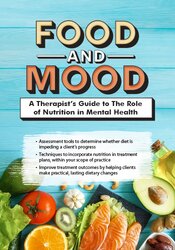
Food and Mood: A Therapist’s Guide to The Role of Nutrition in Mental Health
- Average Rating:
- 16
- Faculty:
- Kathleen Zamperini, LPC, CIMHP
- Duration:
- 6 Hours 04 Minutes
- Copyright:
-
Oct 19, 2022
- Publisher:
- PESI Inc.
- Product Code:
- RNV055840
- Media Type:
- DVD - Also available: Digital Seminar
Description
Diet is an often-ignored aspect of the prevention of poor mental health and the promotion of good emotional health. The causes of behavioral health problems are complex, and nutrition is a valuable yet often missing piece of the puzzle to help clients improve their emotional state.
Imagine if you could feel more confident talking with clients about nutrition from a therapist’s point of view, and do so while adhering to our ethical code.
Kathleen Zamperini, LPC, CIMHP, brings a unique perspective as a licensed professional counselor with a degree in nutrition and certification with the Mental Health Integrative Medical Institute. She uses the language of a therapist to explain key concepts of integrating a cognitive behavioral approach with nutritional strategies to improve treatment outcomes.
Discover the clinical applications to transform the way your clients view food and revolutionize your clinical toolbox to ethically educate clients about nutrition and how they can make lasting changes.
Credit
Handouts
| File type | File name | Number of pages | |
|---|---|---|---|
| Manual - Food and Mood (2.7 MB) | 85 Pages | Available after Purchase | |
| CE Test - 055840 - Paper Option (321.3 KB) | 10 Pages | Available after Purchase | |
| Attention Registered Dietitians (287.8 KB) | Available after Purchase |

Additional Info
Access for Self-Study (Non-Interactive)Access never expires for this product.
For a more detailed outline that includes times or durations of time, if needed, please contact cepesi@pesi.com. ** no”Access to Self Study” tab available.
Questions?
Visit our FAQ page at www.pesi.com/faq or contact us at www.pesi.com/info
Objectives
- Integrate psychoeducation regarding daily food choices with cognitive therapy.
- Assess the impact of diet on treatment progress.
- Incorporate diet changes into treatment plans for specific disorders.
- Analyze the impact of sugar on depression.
- Utilize CBT techniques to help clients improve their mood, sleep habits, and self-care.
- Assess when a referral to a medical practitioner may be indicated.
Outline
How Food Affects Mood- Assess nutritional factors contributing to mental health conditions
- 5 substances that affect mood
- 7 practical interventions to improve mood
- Research on nutrition’s impact on mental health
- Case study – 24-year-old female – depression and anxiety
- B Vitamins for emotional health
- Benefits of magnesium and common symptoms of magnesium deficiency
- Antioxidants for emotional support
- Recommendations within your scope of practice
- Nutrients
- Symptoms of deficiency
- Best food sources
- The truth about sugar, stimulants, and processed food
- History of processed food and what’s gone wrong
- Link between sugar and depression
- The S.A.D. diet and diseases of affluence
- Case study: the wife who loved coffee
- Emotions and biochemical activity within the brain
- Mediterranean food pyramid
- Inflammation and mood disorders
- Omega 3 fatty acids and good fat
- Key nutrients to transform emotional health
- Lack of essential fats and vitamins
- Blood sugar imbalances associated with excessive sugar and stimulant intake
- Neurotransmitters and their effects when they are lacking in our system
- Tune up your brain and neurotransmitters
- The role of epigenetics
- Are diseases of the brain preventable?
- CBT techniques to help clients change their thoughts and behavior toward food and eating
- Clinical benefits of deep breathing
- Incorporate wellness activities into treatment plans
- Understand gut microbiome and dysbiosis from a therapist’s perspective
- Learn how proper digestion supports optimum mental health
- The relationship between digestion and stress
- Steps for proper digestion
- Education and awareness for clients – the basic food assessment you can use
- Practical strategies to help clients eat healthy on a budget
- How to apply techniques ethically and responsibly
- When to refer to a medical practitioner
- The risks and limitations of research studies
- Resources for clients
Target Audience
- Counselors
- Psychologists
- Social Workers
- Marriage and Family Therapists
- Addictions Counselors
- Physicians
- Clinical Nurse Specialists
- Nurses
- Dieticians
- Occupational Therapists
Reviews
| 5 |
|
| 4 |
|
| 3 |
|
| 2 |
|
| 1 |
|
Overall: 4.9
Total Reviews: 16
Satisfaction Guarantee
Your satisfaction is our goal and our guarantee. Concerns should be addressed to: PO Box 1000, Eau Claire, WI 54702-1000 or call 1-800-844-8260.
ADA Needs
We would be happy to accommodate your ADA needs; please call our Customer Service Department for more information at 1-800-844-8260.
Please wait ...