


Digital Seminar
Ethics
Top 10 Mistakes Made by Mental Health Professionals
- Average Rating:
- 6
- Faculty:
- Frederic G. Reamer, PhD
- Duration:
- 2 Hours 51 Minutes
- Format:
- Audio and Video
- Copyright:
-
Dec 31, 2019
- Product Code:
- POS055730
- Media Type:
- Digital Seminar

Description
Some tough ethical situations can’t be taught in school. They can only be learned through personal experience or from hearing of others’ personal experiences.
This recording will teach you how to manage 10 of the most challenging ethical situations a mental health professional can face. These real-world issues are the greatest liability and licensing board threats and arise far more frequently than most realize.
Purchase today and:
- Learn How to Recognize and Avoid the Most Challenging Ethical Traps
- Hear Case Studies that Provide Examples of What to Do and What Not to Do
- Obtain Tips and Techniques that Can Be Implemented to Prevent Ethical Malpractice
- Learn from a Colleague Who Has Served as an Expert Witness in hundreds of Court and Licensing Board Cases Nationwide
Credit
Handouts
| File type | File name | Number of pages | |
|---|---|---|---|
| Manual - Ethics: Top 10 Mistakes Made by Mental Health Professionals (566.3 KB) | 27 Pages | Available after Purchase | |
| Manual - Ethics: Top 10 Mistakes Made by Mental Health Professionals - French (566.3 KB) | 27 Pages | Available after Purchase | |
| Manual - Ethics: Top 10 Mistakes Made by Mental Health Professionals - Italian (566.3 KB) | 27 Pages | Available after Purchase | |
| Manual - Ethics: Top 10 Mistakes Made by Mental Health Professionals - German (566.3 KB) | 27 Pages | Available after Purchase | |
| Manual - Ethics: Top 10 Mistakes Made by Mental Health Professionals - Spanish (566.3 KB) | 27 Pages | Available after Purchase |
Faculty
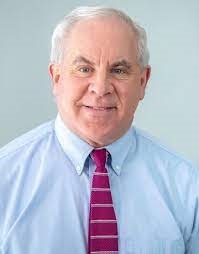
Frederic G. Reamer, PhD Related seminars and products
School of Social Work, Rhode Island College
Frederic G. Reamer, PhD, has been on the faculty of the School of Social Work, Rhode Island College, Providence, Rhode Island since 1983. Dr. Reamer received his PhD from the University of Chicago and has served as a social worker in correctional and mental health settings. He chaired the national task force that wrote the National Association of Social Workers Code of Ethics and served on the task force that added technology standards to the code. Dr. Reamer lectures both nationally and internationally on the subjects of professional ethics, professional malpractice and liability, and documentation. In addition to ethics, his research and teaching have addressed a wide range of human service issues, including mental health, health care, criminal justice, and public welfare. Dr. Reamer has conducted extensive research on professional ethics and has been involved in several national research projects sponsored by The Hastings Center, Carnegie Corporation, Haas Foundation, and Center for Bioethics of the University of Pennsylvania. Dr. Reamer has been a witness and formal ethics consultant in more than 160 litigation and licensing board cases throughout the United States. He is the author of many books and other publications on ethical standards in behavioral health, risk management, and documentation.
Speaker Disclosures:
Financial: Frederic Reamer receives royalties as a published author. Frederic Reamer receives a speaking honorarium and recording royalties from PESI, Inc. He has no relevant financial relationships with ineligible organizations.
Non-financial: Frederic Reamer serves as an advisory board member of Ocean State Stories, Pell Center, Salve Regina University and an advisory editor for the Encyclopedia of Social Work Online. He is a member of NASW Code of Ethics Revision Task Force, National Association of Social Workers, and the Association of Paroling Authorities International.

Additional Info
Access for Self-Study (Non-Interactive)Access never expires for this product. For a more detailed outline that includes times or durations of time, if needed, please contact cepesi@pesi.com.
Objectives
- Identify high-risk areas for mental health professionals, including confidentiality, professional boundaries, dual relationships, conflicts of interest, and documentation, among others.
- Establish how to maintain ethical standards when utilizing technology to deliver services remotely (for example, using video, social media, text, and email), communicate with clients, and manage and store sensitive information.
- Apply practical, ethics-based protocols to protect clients and prevent lawsuits and licensing board complaints.
Outline
How Would You Handle These Ethical Challenges?
1) Failure to Protect Confidentiality
- Scenario – A clinical psychologist disclosed clinical records in response to a subpoena without proper authorization.
2) Not Properly Balancing Minors & Parents Rights
- Scenario – The mother of a 15-yearold client requested a full copy of the psychotherapist’s notes.
3) Self-Disclosure – A Slippery Slope
- Scenario – A client in an addictions treatment program asked his clinician whether he is in recovery and who he voted for in the last presidential election.
4) Challenging Dual Relationship Traps
- Scenario – The clients of a marriage and family therapist offered her the free use of their vacation home.
5) Sticky Financial Issues - Billing, Fees and Gifts
- Scenario – A client who was an unemployed painter had a large unpaid counseling bill and offered to paint the counselor’s home to pay off the debt.
6) Duty to Warn – When to AND When Not to
- Scenario – A clinical social worker in a mental health center counseled a client who made threats against an unidentified estranged partner.
7) Inadequate Informed Consent
- Scenario – A clinical psychologist provided distance counseling services to a client who filed a licensing board complaint alleging substandard informed consent protocols.
8) Social Media Common Ethical Challenges
- Scenario – A case manager in a mental health agency received a Facebook “friend” request from a client with whom he often exchanged text messages using a messaging app that is not HIPAA compliant.
9) Distance Counseling
- Scenario – The client of an addictions counselor in private practice moved to another state and asked the counselor to continue providing services to him using Skype and text messaging.
10) Complex Documentation Decisions
- Scenario – The client of a mental health counselor divulged that he had committed a murder several years earlier while under the influence of illegal substances.
Target Audience
- Counselors
- Social Workers
- Marriage & Family Therapists
- Psychologists
- Psychiatrists
- Case Managers
- Addiction Counselors
- Therapists
- Nurses
- Other Mental Health Professionals



Reviews
| 5 |
|
| 4 |
|
| 3 |
|
| 2 |
|
| 1 |
|
Overall: 5
Total Reviews: 6
Satisfaction Guarantee
Your satisfaction is our goal and our guarantee. Concerns should be addressed to: PO Box 1000, Eau Claire, WI 54702-1000 or call 1-800-844-8260.
ADA Needs
We would be happy to accommodate your ADA needs; please call our Customer Service Department for more information at 1-800-844-8260.
Please wait ...