

Digital Seminar
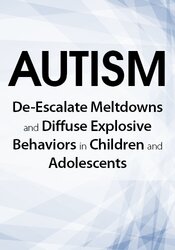
Autism: De-Escalate Meltdowns and Diffuse Explosive Behaviors in Children and Adolescents
- Average Rating:
- 12
- Faculty:
- Joe'l Edington Farrar, MEd, CCC-SLP, BCBA
- Duration:
- 6 Hours 07 Minutes
- Copyright:
-
Nov 03, 2023
- Product Code:
- POS063490
- Media Type:
- Digital Seminar

Description
Do you work with children and adolescents with autism who exhibit explosive behaviors that interfere with their ability to effectively and efficiently navigate their environment? They appear willful, obnoxious, over reactive, and unfeeling. They lose control of their ability to cope or regulate their behavior, which can send them spiraling into a gut wrenching meltdown.
Watch autism expert Joe’l Farrar, M.Ed., CCC-SLP, BCBA, for this training and learn proven strategies and techniques to help children and adolescents with autism de-escalate before a full blown meltdown ensues, develop self-control and self-management skills to prevent future meltdowns and learn appropriate/replacement behaviors. Dozens of strategies will be taught through dynamic video case examples and demonstrations. “Teach them in the way they learn” will be a mantra throughout the training.
Walk away with these interventions and more:
- Breathe card and emotions chart to develop self-control and self-management skills
- Surprise cards, change of schedule cues, and transition markers to alleviate anxiety
- Video modeling and role playing to improve social/emotional communication
- First person stories and visual cues to promote positive behavior
- Visual cues, music, and software designed to increase attention and focus
- Social stories, social scripts, and emotions charts to develop self-regulation
- SOCCSS, keychain rules, and t-charts to target challenging behaviors
Credit
Handouts
| File type | File name | Number of pages | |
|---|---|---|---|
| Manual - Autism (4.1 MB) | 92 Pages | Available after Purchase | |
| Manual - Autism - French (4.1 MB) | 92 Pages | Available after Purchase | |
| Manual - Autism - Italian (4.1 MB) | 92 Pages | Available after Purchase | |
| ASHA Instructions - Self Study (64.4 KB) | Available after Purchase | ||
| Manual - Autism - German (4.1 MB) | 92 Pages | Available after Purchase | |
| Manual - Autism - Spanish (4.1 MB) | 92 Pages | Available after Purchase |
Faculty
Joe'l Edington Farrar, MEd, CCC-SLP, BCBA Related seminars and products
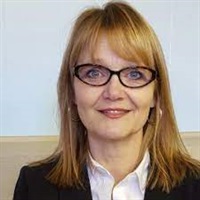
Joe’L Farrar, M.Ed., CCC-SLP, BCBA, is an American Speech-Language-Hearing Association Certified Speech Language Pathologist, Board Certified Behavior Analyst, and certified special education teacher. She has specialized training from the Institute of Special Education Advocacy at the College of William and Mary School of Law. Ms. Farrar has worked with children and adults with developmental disabilities for over 20 years. During the past 10 years, she has focused her combined knowledge of speech and language disorders and behavioral deficits on providing support and direct services to individuals with autism, FASD, and adults with developmental disabilities specifically addressing behaviors related to these diagnoses.
Ms. Farrar has worked in a variety of settings including hospitals, intermediate care facilities, group homes, Community Integrated Living Arrangements (CILA’s) home-based programs, and outpatient clinics. In these settings, she has worked with and developed transdisciplinary teams and collaboration with other professions which include occupational therapists, physical therapists, teachers, and psychologists. Ms. Farrar has developed curriculum for training staff and families in supporting individuals with significant behavioral needs related to their disabilities. She has presented trainings at American Speech-Language-Hearing Association national conference, Minnesota Fetal Alcohol Syndrome Association (MOFAS) conference, State level developmental disabilities conferences, and Oklahoma Speech-Language-Hearing conference. Ms. Farrar developed training for military families and providers to support individuals with developmental disabilities and advocates for individuals and their families with schools and support agencies.
Speaker Disclosures:
Financial: Joe'L Farrar has an employment relationship with TAS Kids, The Behavior Exchange, and Behavior Says, Inc. She receives a speaking honorarium and recording royalties from PESI, Inc. She has no relevant financial relationships with ineligible organizations.
Non-financial: Joe'L Farrar is a member of the American Speech language Hearing Association and National Education Association.
Additional Info
Access for Self-Study (Non-Interactive)Access never expires for this product.
For a more detailed outline that includes times or durations of time, if needed, please contact cepesi@pesi.com.
Questions?
Visit our FAQ page at www.pesi.com/faq or contact us at www.pesi.com/info.
Objectives
- Discriminate functions of behavior during a tantrum vs. meltdown.
- Analyze the connections and breakdowns between communication, social skills and behaviors.
- Employ a breathe card and emotions chart to develop self-control and self-management skills.
- Design optimal therapy/classroom structure to prevent overstimulation and sensory breakdowns.
- Employ SOCCSS, keychain rules and t-charts to prevent, intervene or consequate targeted behaviors.
- Utilize surprise cards, change of schedule cues and transition markers to alleviate anxiety.
Outline
Functions of a Meltdown- Tantrum vs. meltdown
- Stages of a meltdown
- Sensory issues vs. behavior issues
- Meltdown intervention video
- Easy-to-use sensory tools and apps to calm
- Overstimulation and sensory breakdowns
- Therapy session and classroom structure for optimal learning
- Visual cues, music, and software designed to increase attention and focus
- High interest areas to strengthen motivation and engagement
- Visual reminders for routines and predictability
- Visual structures to promote organization
- Video modeling, t-charts, social stories, social scripts, emotions charts to develop self-control
- Tools that promote self-monitoring of behavior
- Power cards and visual checklists as powerful incentives to change behavior
- Social scripts and social stories to develop social interaction
- Video modeling and role playing to demonstrate appropriate interactions
- First person stories for positive behavior changes and affirmations
- Recognize the warning signs of a meltdown in order to prevent it
- Surprise cards, change of schedule cues, and transition markers to alleviate anxiety
- Visual cues to depict expected behavior
- Converting the verbal to a visual
- Strategies for instructional consequences
- Chart appropriate/inappropriate behaviors
- Activities for reviewing behaviors when calm
- Cartooning to facilitate feedback
- Strategies for providing systematic feedback
- Reinforcement for communication strategies
- Identify feelings and review behavior
- Demonstration video of child having a meltdown
- Appropriate and meaningful replacement behaviors for physical aggression
- Instructional consequences for a meltdown
Target Audience
- Speech-Language Pathologists & Speech-Language Pathology Assistants
- Occupational Therapists & Occupational Therapy Assistants
- Special & General Educators
- School Guidance Counselors
- School Administrators
- Educational Paraprofessionals
- Counselors
- Social Workers
- Psychologists
- School Psychologists
- Physicians
- Marriage and Family Therapists
- Physical Therapists & Physical Therapist Assistants
- Other Helping Professionals that Work with Children



Reviews
| 5 |
|
| 4 |
|
| 3 |
|
| 2 |
|
| 1 |
|
Overall: 5
Total Reviews: 12
Satisfaction Guarantee
Your satisfaction is our goal and our guarantee. Concerns should be addressed to: PO Box 1000, Eau Claire, WI 54702-1000 or call 1-800-844-8260.
ADA Needs
We would be happy to accommodate your ADA needs; please call our Customer Service Department for more information at 1-800-844-8260.
Please wait ...