

Digital Version Available
Get immediate lifetime access to this content by purchasing the digital seminar/online course instead that you can access using a variety of devices, and one CE certificate is included with purchase! Click the “Digital Seminar” or "Online Course" link below to learn more!
DVD Purchasers please note: In order to view the content, you will be required to have a DVD player or a DVD drive on your computer. Your CE is a separate fee.
DVD
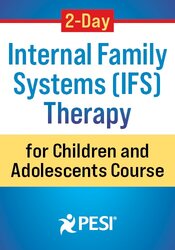
2 Day Internal Family Systems (IFS) Therapy for Children and Adolescents Course
- Average Rating:
- Not yet rated
- Faculty:
- Leslie Petruk, MA, LPC-S, NCC, BCC
- Duration:
- 12 Hours 49 Minutes
- Copyright:
-
May 13, 2021
- Publisher:
- PESI Inc.
- Product Code:
- RNV057835
- Media Type:
- DVD - Also available: Digital Seminar

Description
Most therapeutic models with set agendas do not work with children, especially when they are not ready to tell their story because of behavioural challenges, trauma, anxiety, and depression.
In this unique integrative training, practice creative and playful approaches to successfully engage children, move at their own pace and help them overcome their challenges.
You’ll be given an all-new process to follow so you can:
- Integrate IFS therapy into your work with child and adolescent clients
- Help your young clients identify and befriend their parts.
- Use fun and engaging activities to reduce difficulties met in their young lives!
Discover IFS therapy as a non-directive, and non-pathologizing model that can be effectively applied to working with children of all ages. Whether incorporating in non-directive play therapy with younger children or engaging activities with older children, utilizing IFS techniques is easily adapted to therapy with children.
This product is not endorsed by, sponsored by, or affiliated with the IFS Institute and does not qualify for IFS Institute credits or certification.
Credit
Handouts
| File type | File name | Number of pages | |
|---|---|---|---|
| Manual - 2-Day Internal Family Systems (IFS) for Children and Adolescents (9.3 MB) | 67 Pages | Available after Purchase | |
| Instructions for ASHA credit - Self-Study Only (64.4 KB) | Available after Purchase | ||
| CE Test – 057835 – Paper Option (282.6 KB) | Available after Purchase | ||
| Reflective Listening Exercise (100.5 KB) | 1 Pages | Available after Purchase | |
| Unblending From Learning Parts (140.2 KB) | 1 Pages | Available after Purchase |
Faculty
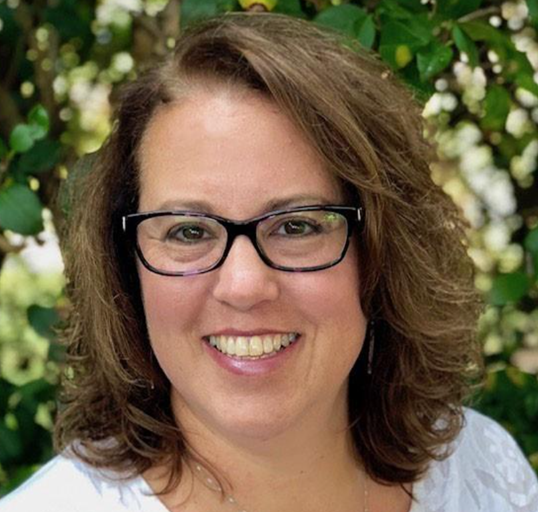
Leslie Petruk, MA, LPC-S, NCC, BCC Related seminars and products
The Stone Center For Counseling & Leadership
Additional Info
Access for Self-Study (Non-Interactive)Access never expires for this product.
Please Note
This product is not endorsed by, sponsored by, or affiliated with the IFS Institute and does not qualify for IFS Institute credits or certification.
Objectives
- Investigate the basic tenets of the IFS therapeutic model as created by Dr. Richard Schwartz.
- Categorize the different types of parts: managers, firefighters & exiles.
- Determine the positive intention of parts in child client sessions to inform treatment planning.
- Utilize the “YOU turn” to help your child clients become acquainted with their internal system as relates to behaviors and emotional regulation.
- Practice befriending and working with the child’s/adolescent’s protective parts in session.
- Demonstrate how to help child and adolescent clients access Self and help them to heal exiled parts.
- Propose how to apply IFS with children to help them understand and identify the intentions of their protective parts.
- Integrate IFS techniques in with play therapy techniques to improve treatment outcomes with young clients.
- Formulate age appropriate activities to help children identify, befriend and heal their parts.
- Demonstrate to child/adolescent clients the difference between speaking for their parts vs. speaking from their parts to improve emotion regulation and behaviors.
- Practice with the parents of child/adolescent clients in how to support their child’s use of parts language.
- Support parents in identifying how their parts become activated and polarized with their child’s parts.
Outline
DAY 1: The IFS Model Step by StepInternal Family Systems (IFS) Model
- Comprehensive, compassionate, nonpathologizing paradigm
- Integration with various therapeutic modalities
- Shift perspective on “psychopathology”
- Understand the inner world of clients, self and parts
- Heighten internal strengths for healing
- Empirically validated treatment (Study limitations: small sample size, no control group)
- Risks: review clinical considerations
Step 1: Identify, understand, connect
- Translate the presenting concern into part/parts
- Map the system of parts
- Identify protectors and exiles
- Know where to begin
- Differentiate the person from the symptom
- Access a state of compassion
- Help clients to become curious
- Connect with the target part
- Facilitate internal attachment work
- Learn the history and benevolent intention behind the symptom
- Establish a trusting relationship with all parts
- Understand the fears and address concerns of protective parts
- Discover the real story behind the symptom
- Resolve internal conflicts
- Gain permission to heal
- Inner attachment work for wounds
- Connect with the wounded/vulnerable part
- Witness the pain rather than relieve it
- Retrieve the wounded part from past
- Release feelings, thoughts, sensations, negative beliefs
- Invite additional inner resources
- Integrate systemic reorganization
- Solidify strengths/gains
IFS: A Non-Directive, Child-Centered Model
- Getting started: how to help parts feel safe and welcomed
- Child chooses the nature of play/therapeutic process
- Trust that the parts will emerge during play/conversation
- Unconditional positive regard remains paramount
- Identifying parts
- Interviewing the parts
- Parts mapping
- Shaping your parts
- Parts’ drama
- Drawing your parts and self
- And more!
- Track the client’s parts (and yours!) throughout session
- Work with blended parts & how to externalize parts
- Direct access vs. in-sight
- Developing a self-to-part relationship
- Activities, case studies & videos
- Externalizing a part clay activity
- Experiential parts activity
- Sand tray therapy video
- Parts, exiles, and self in the sand tray
- Developing self-to-part relationship activity
Target Audience
- Psychologists
- School Psychologists
- Counselors
- School Counselors
- Marriage & Family Counselors
- Social Workers
- Educators
- Speech-Language Pathologists
- Creative Arts Therapists
- Nurses
- Any mental health professional who works with children
Reviews
Satisfaction Guarantee
Your satisfaction is our goal and our guarantee. Concerns should be addressed to: PO Box 1000, Eau Claire, WI 54702-1000 or call 1-800-844-8260.
ADA Needs
We would be happy to accommodate your ADA needs; please call our Customer Service Department for more information at 1-800-844-8260.
Please wait ...